Understanding Two Complementary Approaches to Musculoskeletal Care
In modern musculoskeletal practice, patients are often referred for dry needling to relieve muscle pain. At the same time, many practitioners offer a broader approach known as orthopedic acupuncture.
While both techniques use fine needles and may appear similar, they differ in scope, assessment, and clinical goals.
🔍 What is Dry Needling?
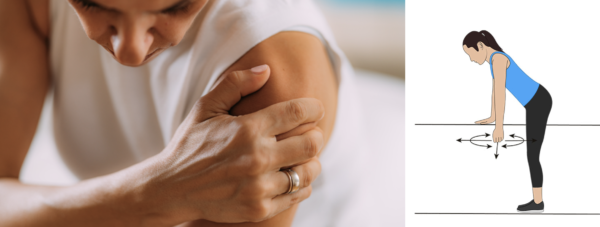
Dry needling is a technique that targets trigger points—tight, sensitive areas within muscle tissue.
👉 Main objectives:
- Release muscle tension
- Reduce localized pain
- Improve blood flow
It is commonly used for:
- Neck and shoulder tension
- Low back pain
- Sports-related muscle tightness
Dry needling is typically symptom-focused, meaning treatment is directed at the area where pain is felt.
🧠 What is Orthopedic Acupuncture?
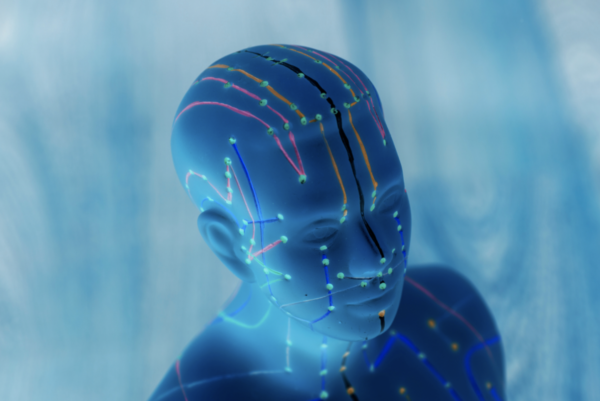
Orthopedic acupuncture is a more comprehensive approach that combines traditional acupuncture principles with modern understanding of anatomy, biomechanics, and movement.
👉 Key concept:
“Pain is often the result of dysfunctional movement patterns, not just local tissue irritation.”
This approach evaluates:
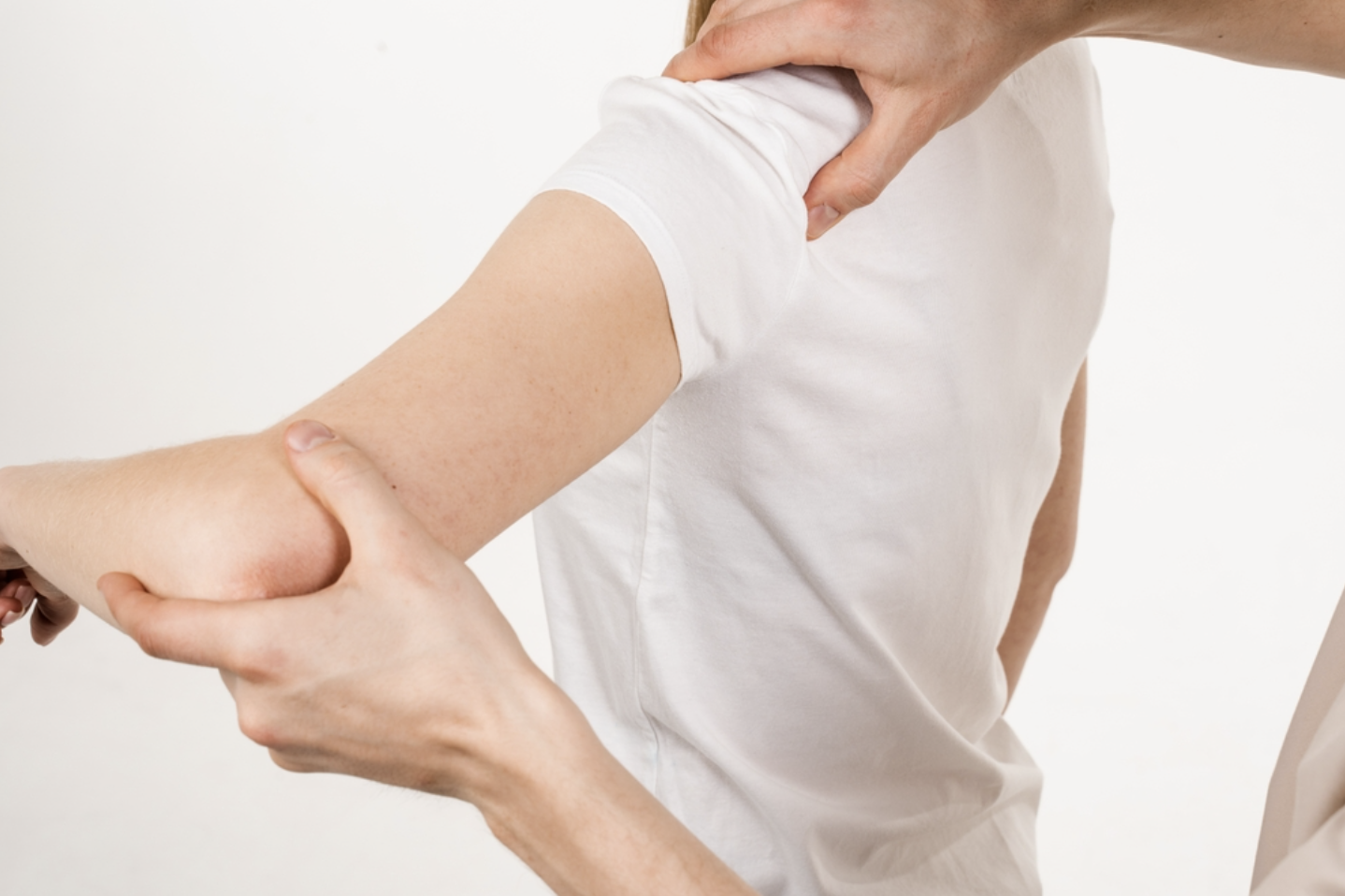
- Joint mobility
- Muscle balance (overactive vs underactive)
- Movement patterns across the body
Treatment may include:
- Motor point needling (to activate or inhibit muscles)
- Electroacupuncture
- Functional assessment and re-evaluation
⚖️ Key Differences
| Dry Needling | Orthopedic Acupuncture |
|---|---|
| Focuses on trigger points | Focuses on the whole movement system |
| Targets local pain | Addresses root causes of dysfunction |
| Provides fast symptom relief | Improves function and long-term outcomes |
| Often protocol-based | Individualized and assessment-driven |
⚡ How Do They Work Together?
These approaches are not mutually exclusive. In fact, they are often used together in clinical practice.
- Dry needling can quickly reduce pain and muscle tension
- Orthopedic acupuncture can then correct underlying imbalances and movement issues
👉 This combination helps achieve both:
- Immediate relief
- Long-term functional improvement
💉 Techniques Used in Orthopedic Acupuncture
Orthopedic acupuncture may involve:
- Motor point stimulation to improve muscle activation
- Electroacupuncture to enhance neuromuscular response
- Needling along muscle chains and connective tissue
- Functional reassessment before and after treatment
👉 The goal is to:
- Restore proper muscle coordination
- Improve mobility and stability
- Reduce risk of recurring injury
🎯 What Patients May Experience
After treatment, patients often report:
- Reduced pain and muscle tightness
- Improved range of motion
- Easier, more coordinated movement
- Better overall physical performance
🧠 Summary
Dry needling and orthopedic acupuncture share similar tools but differ in their clinical perspective.
👉 Dry needling focuses on relieving pain at the local level
👉 Orthopedic acupuncture addresses the broader system of movement and function
Rather than choosing one over the other, the most effective care often involves integrating both approaches based on the individual patient’s needs.
📌 If you have been referred for dry needling, at Terra Acupuncture we may incorporate additional assessment and treatment strategies to ensure not only symptom relief, but also lasting functional improvement.