
เมื่อมดลูกมีบทบาทมากกว่าอวัยวะสืบพันธุ์
ตลอดหลายทศวรรษที่ผ่านมา มดลูกมักถูกมองว่าเป็นอวัยวะสืบพันธุ์ที่มีหน้าที่หลักในการรองรับการตั้งครรภ์ ในทางคลินิก ผู้ป่วยที่มีภาวะต่าง ๆ เช่น เนื้องอกกล้ามเนื้อมดลูก เลือดออกผิดปกติจากโพรงมดลูก หรือโรคทางนรีเวชอื่น ๆ มักได้รับการรักษาด้วยการผ่าตัดตัดมดลูก โดยมีความเชื่อว่าหากยังคงเก็บรังไข่ไว้ การตัดมดลูกจะไม่ส่งผลกระทบต่อสุขภาพในระยะยาวอย่างมีนัยสำคัญ เนื่องจากการทำงานของฮอร์โมนยังคงเป็นปกติ
อย่างไรก็ตาม ในช่วงไม่กี่ปีที่ผ่านมา สมมติฐานดังกล่าวเริ่มถูกตั้งคำถามมากขึ้นเรื่อย ๆ
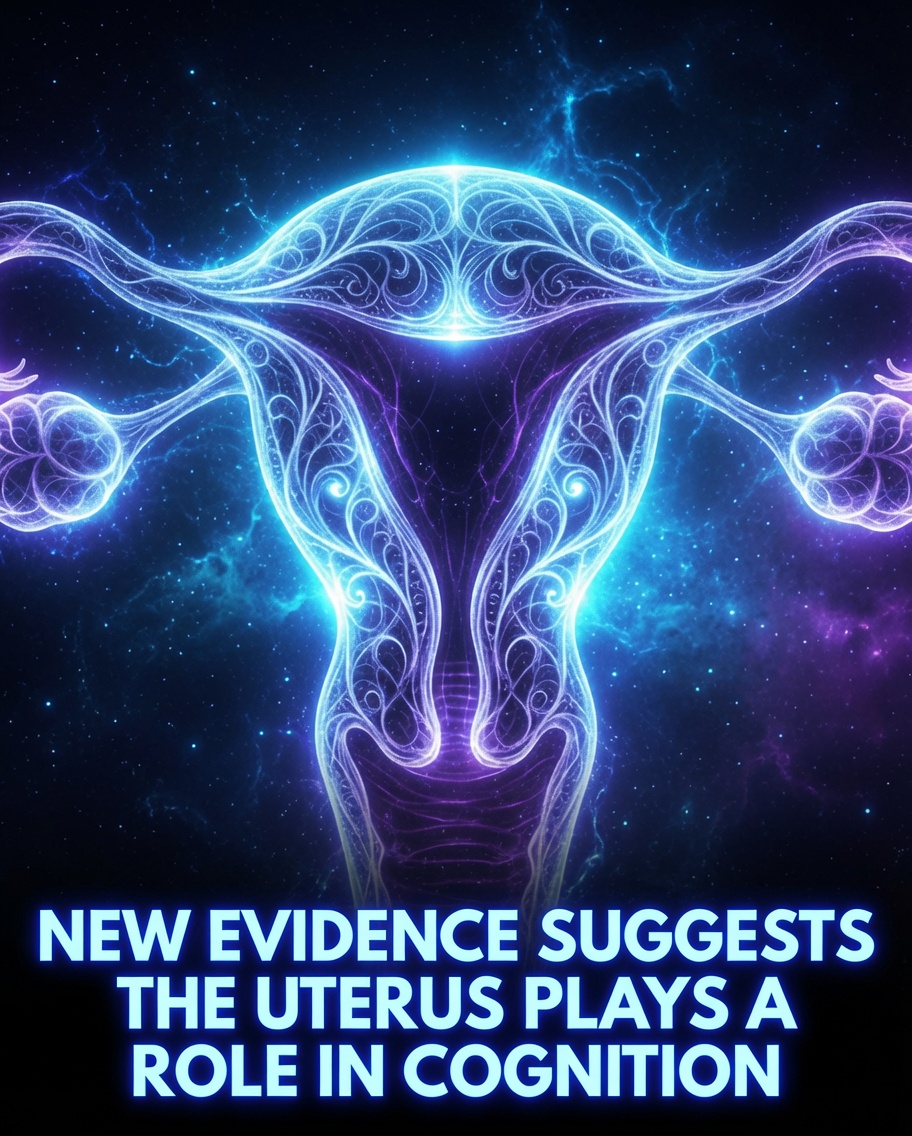
หลักฐานจากงานวิจัยที่เพิ่มขึ้นอย่างต่อเนื่องชี้ให้เห็นว่า ผู้หญิงที่ได้รับการผ่าตัดตัดมดลูกก่อนวัยหมดประจำเดือนตามธรรมชาติ แม้จะยังคงเก็บรังไข่ไว้ ก็อาจมีความเสี่ยงเพิ่มขึ้นต่อผลกระทบทางระบบประสาทในระยะยาว เช่น การเสื่อมถอยของการรับรู้และความคิด อาการคล้ายโรคพาร์กินสัน และการเปลี่ยนแปลงของการทำงานของสมอง แม้ว่ากลไกที่อยู่เบื้องหลังความสัมพันธ์ดังกล่าวยังอยู่ระหว่างการศึกษา แต่แนวคิดหนึ่งที่กำลังได้รับความสนใจมากขึ้นคือ Uterus–Brain Axis.
แนวคิดนี้เสนอว่า มดลูกไม่ได้เป็นเพียงอวัยวะสืบพันธุ์ที่ทำงานแยกขาดจากอวัยวะอื่น แต่เป็นส่วนหนึ่งของเครือข่ายการสื่อสารที่ซับซ้อน ซึ่งเกี่ยวข้องกับระบบประสาท การส่งสัญญาณของระบบต่อมไร้ท่อ การควบคุมการทำงานของระบบภูมิคุ้มกัน และกระบวนการอักเสบ จึงนำไปสู่คำถามสำคัญว่า
📌 📌 การตัดมดลูกอาจส่งผลต่อการทำงานของสมองมากกว่าที่เราเคยเข้าใจกันหรือไม่?
ที่น่าสนใจคือ แม้วิทยาศาสตร์สมัยใหม่เพิ่งเริ่มทำความเข้าใจความเชื่อมโยงดังกล่าว แต่แพทย์แผนจีน ได้กล่าวถึงความเชื่อมโยงเชิงหน้าที่ที่คล้ายคลึงกันนี้มาตั้งแต่กว่า 2,000 ปีก่อน
มดลูกในศาสตร์การแพทย์แผนจีน
ในแพทย์แผนจีน มดลูกเรียกว่า "เป้ากง" Bao Gong (胞宮).
- คำว่า “เป้า” (胞) มีความหมายถึงสิ่งที่ห่อหุ้ม หล่อเลี้ยง และเกื้อหนุนการดำรงชีวิต
- คำว่า “กง” (宮)** หมายถึงพระราชวัง หรือห้องสำคัญที่เป็นศูนย์กลาง
ดังนั้น ในมุมมองของแพทย์แผนจีน มดลูกจึงไม่ได้ถูกมองว่าเป็นเพียงอวัยวะสำหรับรองรับการตั้งครรภ์เท่านั้น แต่เป็น อวัยวะศูนย์กลางที่ทำหน้าที่ควบคุมระบบสืบพันธุ์เพศหญิงที่เชื่อมโยงอย่างลึกซึ้งกับการทำงานของระบบต่าง ๆ ทั่วทั้งร่างกาย
ตามทฤษฎีแพทย์แผนจีนดั้งเดิม มดลูกมีความสัมพันธ์อย่างใกล้ชิดกับระบบอวัยวะหลัก 3 ระบบ ได้แก่
- ไต (Shen, 腎)
- ตับ (Gan; 肝)
- หัวใจ (Xin; 心)
นอกจากนี้ มดลูกยังมีความเชื่อมโยงเชิงหน้าที่กับเส้นลมปราณพิเศษ (Extraordinary Meridians) เช่น ชงม่าย (Chong Mai; 衝脈) and เหรินม่าย (Ren Mai; 任脈)ซึ่งมีบทบาทในการควบคุมการไหลเวียนของเลือด การทำงานของระบบสืบพันธุ์ วงจรฮอร์โมน และจังหวะเวลาของการพัฒนาร่างกาย
เหตุใดมดลูกจึงมีความเชื่อมโยงกับหัวใจ
ในมุมมองของการแพทย์แผนปัจจุบัน หัวใจถูกเข้าใจว่าเป็นเครื่องสูบฉีดเชิงกล แต่ในแพทย์แผนจีน หัวใจมีความหมายที่กว้างกว่านั้นมาก
หัวใจถูกมองว่าเป็นที่อยู่ของเสิน Shen (神)ซึ่งครอบคลุมถึง:
- สติสัมปชัญญะ
- กระบวนการคิดและการรับรู้
- ความจำ
- การจัดการทางอารมณ์
- การควบคุมการนอนหลับ
- การแสดงออกทางบุคลิกภาพ
กล่าวอีกนัยหนึ่ง ในมุมมองของแพทย์แผนจีน หัวใจทำหน้าที่เป็นศูนย์กลางของ ศูนย์กลางของจิตใจและการตระหนักรู้.
ข้อความจากคัมภีร์ดั้งเดิมของ หวงตี้เน่ย์จิง (Huang Di Nei Jing; 黃帝內經) กล่าวไว้ว่า:
“เป้าม่าย (Bao Mai; 胞脈) มีความสัมพันธ์กับหัวใจและเชื่อมโยงกับมดลูก”
📌 สิ่งนี้แสดงให้เห็นว่า มดลูกไม่ได้เป็นโครงสร้างที่แยกขาดจากระบบอื่น แต่มีความเชื่อมโยงเชิงหน้าที่กับหัวใจ ซึ่งสะท้อนให้เห็นถึงความสัมพันธ์โดยตรงระหว่างสรีรวิทยาของระบบสืบพันธุ์กับการควบคุมด้านอารมณ์และการรับรู้
ความสัมพันธ์ระหว่างไตกับมดลูก: จิง (Jing) และพื้นฐานทางชีวภาพ**
ข้อความจากตำรา คลาสสิกอีกบทหนึ่งกล่าวว่า:
“เป้าม่าย (Bao Mai; 胞脈) อยู่ภายใต้การควบคุมของไต”
ในแพทย์แผนจีน ไตไม่ได้เป็นเพียงอวัยวะที่ทำหน้าที่กรองของเสียเท่านั้น แต่เป็นแหล่งเก็บสะสมของ จิง (Jing; 精) หรือสารพื้นฐานแห่งชีวิตซึ่งเป็นสารพื้นฐานที่มีบทบาทสำคัญต่อ:
- การเจริญเติบโตและการพัฒนาของร่างกาย
- การสืบพันธุ์และภาวะเจริญพันธุ์
- ควบคุมความสมดุลของฮอร์โมน
- กระบวนการชราภาพ
- พลังชีวิตของระบบประสาท
จากมุมมองนี้ จึงไม่น่าแปลกใจที่ภาวะพร่องของไต (Kidney deficiency) ตามแนวคิดแพทย์แผนจีนมีความสัมพันธ์กับภาวะมีบุตรยาก ความผิดปกติของรอบเดือน ภาวะหมดประจำเดือนก่อนวัย และความเสื่อมถอยที่เกิดขึ้นตามอายุ
ที่สำคัญ จิงของระบบไต (Shen Jing; 腎精) ยังถือเป็นพื้นฐานสำคัญที่สนับสนุนการทำงานของสมอง เชื่อมโยงสุขภาพด้านการสืบพันธุ์และความสามารถด้านการรับรู้ให้อยู่ในระบบการทำงานทางสรีรวิทยาเดียวกัน
หลังคลอดและวัยหมดประจำเดือน: เหตุใดอารมณ์และระบบรับรู้จึงเปลี่ยนแปลง
ในทางคลินิก ผู้หญิงจำนวนมากรายงานการเปลี่ยนแปลงด้านการรับรู้และอารมณ์ในช่วงเปลี่ยนผ่านสำคัญของระบบสืบพันธุ์ เช่น:
- ช่วงหลังคลอด: ภาวะหลงลืมชั่วคราว ความไม่มั่นคงทางอารมณ์ ความผิดปกติของการนอนหลับ หรือภาวะซึมเศร้าหลังคลอด
- วัยหมดประจำเดือน: อาการหลงลืม ความหงุดหงิดง่าย ความวิตกกังวล นอนไม่หลับ และสมาธิลดลง
ในมุมมองของแพทย์แผนจีน การเปลี่ยนแปลงเหล่านี้สะท้อนถึงการเปลี่ยนแปลงของสมดุลการทำงานระหว่างระบบหัวใจ ไต และมดลูก ตลอดจนความเปลี่ยนแปลงของเลือดและจิง (Jing; 精) ซึ่งเป็นสารพื้นฐานแห่งชีวิต
เมื่อเลือดของหัวใจ (Heart Blood) ไม่เพียงพอ หรือการสื่อสารระหว่างหัวใจและไตเกิดความไม่สมดุล ส่งผลให้เสิน (Shen; 神) ไม่ได้รับการหล่อเลี้ยงอย่างเพียงพอ จึงอาจนำไปสู่ความผิดปกติด้านอารมณ์และการรับรู้
แม้ว่าภาษาที่ใช้ในการอธิบายจะแตกต่างจากประสาทวิทยาศาสตร์สมัยใหม่ แต่ทั้งสองแนวคิดต่างสะท้อนหลักการร่วมกันว่า:
🚩 การเปลี่ยนแปลงของการทำงานทางสรีรวิทยาในระบบสืบพันธุ์มีความเชื่อมโยงอย่างใกล้ชิดกับการเปลี่ยนแปลงของอารมณ์ ความสามารถด้านการรับรู้ และการทำงานของสมอง
สิ่งที่วิทยาศาสตร์สมัยใหม่กำลังเริ่มค้นพบ
ปัจจุบัน งานวิจัยทางชีวการแพทย์เริ่มมองร่างกายเป็นระบบเครือข่ายที่มีการเชื่อมโยงและสื่อสารระหว่างกัน มากกว่าการมองเป็นเพียงอวัยวะแต่ละส่วนที่ทำงานแยกจากกัน
กลไกและเส้นทางการสื่อสารระหว่างระบบต่าง ๆ ที่เพิ่งได้รับการค้นพบและอธิบาย ได้แก่:
- แกนลำไส้–สมอง (Gut–Brain Axis)
- การสื่อสารระหว่างหัวใจและสมอง (Heart–Brain Interactions)
- การสื่อสารระหว่างระบบภูมิคุ้มกันและสมอง (Immune–Brain Communication)
- และเมื่อไม่นานมานี้ ก็คือ แกน มดลูก - สมอง Uterus–Brain Axis
แนวคิดเหล่านี้สะท้อนหลักการสำคัญร่วมกันว่า อวัยวะต่าง ๆ ไม่ได้ทำงานแยกจากกัน แต่มีการสื่อสารและแลกเปลี่ยนสัญญาณอย่างต่อเนื่องผ่านระบบประสาท ฮอร์โมน ภูมิคุ้มกัน และกระบวนการทางชีวเคมี
ดังนั้น มดลูกอาจมีบทบาทต่อการทำงานของระบบร่างกายในภาพรวมมากกว่าที่เคยเข้าใจกัน
แพทย์แผนจีนและวิทยาศาสตร์สมัยใหม่: สองมุมมองที่มาบรรจบกัน
เราไม่ได้บอกว่าแพทย์แผนจีน “ค้นพบล่วงหน้า” แต่เป็นสองกรอบแนวคิดที่มองความเชื่อมโยงของร่างกายด้วยภาษาที่ต่างกัน
วิทยาศาสตร์สมัยใหม่อธิบายการทำงานของร่างกายผ่านกลไกต่าง ๆ เช่น ระบบประสาท ฮอร์โมน ภูมิคุ้มกัน และกระบวนการระดับโมเลกุล ขณะที่แพทย์แผนจีนอธิบายความสัมพันธ์เชิงการทำงานของร่างกายผ่านแนวคิด เช่น ชี่ (Qi; 氣) เลือด (Blood; 血) เสิน (Shen; 神) และเครือข่ายการทำงานของอวัยวะต่าง ๆ
เมื่อมองลึกลงไป ทั้งสองมุมมองกลับเริ่มบรรจบกันที่แนวคิดว่า:
มดลูกไม่ได้ทำหน้าที่เป็นเพียงอวัยวะสืบพันธุ์เท่านั้น แต่ยังเป็นส่วนหนึ่งของระบบการทำงานที่เชื่อมโยงกันอย่างเป็นองค์รวม ซึ่งส่งผลต่อทั้งร่างกายและจิตใจ
ร่างกาย ทำงานเป็น เครือข่าย ไม่ใช่เพียงอวัยวะแต่ละส่วนที่แยกจากกัน
ทั้งแพทย์แผนจีนและวิทยาศาสตร์การแพทย์สมัยใหม่ ต่างกำลังมุ่งไปสู่ความเข้าใจร่วมกันมากขึ้นว่า ร่างกายมนุษย์ไม่ได้ทำงานเป็นเพียงอวัยวะแต่ละส่วนที่แยกจากกัน แต่เป็นระบบที่เชื่อมโยงและสื่อสารถึงกันอย่างต่อเนื่อง
ในปัจจุบัน กระบวนการทำงานของร่างกายถูกมองว่าเป็นปฏิสัมพันธ์ที่เปลี่ยนแปลงอยู่ตลอดเวลา ระหว่างระบบประสาท ฮอร์โมน ภูมิคุ้มกัน และสัญญาณทางชีวเคมีต่าง ๆ ในขณะที่แพทย์แผนจีนอธิบายการเชื่อมโยงของร่างกายผ่านบทบาทที่ทำงานร่วมกันของระบบอวัยวะต่าง ๆ เช่น หัวใจ ไต ตับ และมดลูก
เมื่อองค์ความรู้จากงานวิจัยพัฒนาขึ้นอย่างต่อเนื่อง เราเริ่มเข้าใจมากขึ้นว่า โครงสร้างบางส่วนของร่างกายที่เคยถูกมองว่ามีบทบาทเพียงรองลงมา อาจมีบทบาทสำคัญต่อการทำงานโดยรวมของร่างกายมากกว่าที่เคยคาดคิดไว้
👉 👉 มุมมองร่วมนี้ช่วยส่งเสริมแนวทางการคิดทางคลินิกแบบบูรณาการณ์มากขึ้น คือการมองร่างกายในฐานะระบบที่เชื่อมโยงถึงกัน โดยให้ความสำคัญกับความสัมพันธ์ระหว่างระบบต่าง ๆ มากกว่าการพิจารณาการทำงานของอวัยวะแต่ละส่วนเพียงลำพัง
เอกสาร อ้างอิง
1. Uterus and cognitive function (preclinical evidence)
- Koebele SV, et al. (2023).
Gynecological surgery in adulthood imparts cognitive and brain changes in rats: A focus on hysterectomy at short-, moderate-, and long-term intervals after surgery.
Hormones and Behavior, 155:105411.
https://doi.org/10.1016/j.yhbeh.2023.105411
2. Evidence that uterus removal affects brain function (animal model)
- Koebele SV et al. (2019).
Hysterectomy uniquely impacts spatial memory in a rat model.
Endocrinology.
National Institute on Aging summary:
https://www.nia.nih.gov/news/uterus-plays-role-brain-function-animal-study-shows